If you want to buy or sell a company in London, Ontario, the right broker is more than a nice-to-have. It can be the difference between a clean, bankable deal and months of lost time, retrades, https://rentry.co/mbp6rxty and eroded value. Over the past decade, I’ve reviewed hundreds of broker packages, coached owners through exits, and sat on both sides of the table for small to mid-market transactions in Southwestern Ontario. A name that comes up around London is LIQUIDSUNSET. People ask two questions: what does the firm’s track record tell us, and how should a buyer or seller interpret that when choosing a business broker London Ontario near me?
I’ll walk you through how to evaluate any broker’s record with precision, using what matters in our market. Where I can, I’ll layer in examples and cautionary tales I’ve seen in London and nearby cities. The goal is to help you read past glossy pitch decks and focus on the signals that correlate with a successful sale or acquisition.
What a “track record” actually means in this market
A broker’s track record isn’t a trophy case. It is a living dataset that shows how they navigate local financing, valuation expectations, diligence pitfalls, and buyer readiness in London. When people type buy a business in London near me, they might find long lists of businesses for sale London, Ontario near me, but that surfacing of inventory says little about execution. Track record is execution.
A robust record shows repeatable performance across industries and deal sizes. It also reflects how a firm handles the messy middle: imperfect financials, landlord approvals, equipment appraisals that don’t match book values, and lenders that balk at add-backs. In our region, commercial lending appetite has rotated several times since 2020. Brokers who kept closing through those swings usually paired realistic pricing with strong financing packages and reliable buyer screening.
The few metrics that matter
I care about five numbers and three narratives. If a broker can’t speak to these, I view that as a risk.
- Close rate on exclusive listings: The share of signed listings that actually close. In London, a credible small business broker should land somewhere in the 40 to 60 percent range for Main Street deals under roughly 2 million. Anything dramatically higher may reflect cherry-picking small, cash-heavy shops or counting non-exclusive leads as victories. Anything drastically lower suggests weak screening or unrealistic pricing. Median days to close, from mandate to funded transaction: The London pattern runs six to ten months for owner-operator businesses and nine to fourteen months for more complex, semi-absentee operations. Outliers exist, but a track record clustered in that window shows discipline and lender alignment. Price-to-earnings multiple realized versus guided: Look for alignment between teaser multiples and final closing multiples. If the firm guides 3.5x SDE but consistently lands at 2.5x, you’re seeing listing inflation that leads to fatigue and price erosion. Financing mix and bankability: How many deals include senior debt, vendor take-back notes, or asset-based lending? London banks largely want conservative coverage on smaller cash-flow deals, so a broker with strong lender relationships and a portfolio of deals that actually financed through major institutions is valuable. Fall-through rate after LOI: Good brokers prevent avoidable surprises. If half their accepted LOIs die in diligence, something is wrong upstream, often with quality-of-earnings preparation or landlord negotiations.
Now, for the three narratives:
First, the industries where the broker has depth. London is heavy on service trades, healthcare-related practices, light manufacturing, and e-commerce hybrids. A broker who regularly moves restaurants but not industrial service firms may not be ideal if you’re trying to sell a CNC shop or buy a specialty contractor.
Second, the team’s background. The strongest brokers in our region tend to have either banking, CFO, or operational leadership experience. They know how to position add-backs, normalize owner compensation, and build clean working capital bridges.
Third, the firm’s approach to confidentiality and buyer screening. A broker who sprays teasers at every inbox in Southwestern Ontario can damage value, alarm staff, and spook landlords. A disciplined process filters buyers early and protects the seller’s position.
Local realities buyers and sellers can’t ignore
London is large enough to attract out-of-town buyers yet small enough that landlord relationships and reputation matter. Franchisors, plaza owners, and industrial landlords share notes. When deals fail because a broker overpromised or mishandled disclosure, word spreads. The same is true with lenders. If you see a broker regularly placing deals with the same three or four commercial account managers, that usually indicates trust that was earned through clean files.
For buyers searching business for sale London, Ontario near me, the pinch point is often due diligence on add-backs such as owner’s vehicle, mixed personal expenses, and family wages. If a broker is unwilling to drill into those details and document them for a lender, you end up with a valuation story that doesn’t match the financing reality. Watch how the broker handles this early. Are they proactive about a quality-of-earnings-lite package, or do they expect you to guess?
On the sell side, especially for owners planning to sell a business London Ontario near me within the next year, the two most common value leaks are slippage in gross margin right before listing and sloppiness in inventory controls. A broker with a strong track record will push you to fix these. They will not simply list and hope for the best.
How to read case studies with a skeptical eye
Marketing materials rarely lie outright, but they often omit the context that matters. If LIQUIDSUNSET or any broker presents case studies, ask for the specific hurdles and the timeline.
When a case study boasts of a deal closed in 90 days, you need to know if the buyer was a known quantity who had previously closed with the same firm. Was there a landlord who waved the deal through because of a long-standing relationship? Did the seller carry 40 percent of the price on a generous note? All of that influences replicability.
Also look for disclosure about working capital. In smaller London deals, working capital is frequently negotiated post-LOI, not at the listing stage. If a case study does not address how inventory, AR, and AP were handled, you do not know the true economics.
Signals of strong process you can verify
Watch the flow of information. Strong brokers front-load the heavy lifting. They:

- Build accurate SDE bridges with documented add-backs and a three-year view, including a current trailing twelve months. Prepare a data room with tax filings, lease agreements, equipment lists tied to serial numbers, and customer concentration analysis.
When I see a broker handle the above before marketing the deal broadly, I expect a smoother diligence phase. When I see a sparse teaser and a promise to “provide details after LOI,” I expect problems. In this market, buyers can find multiple business for sale London Ontario near me. They will pass on thin packages and chase deals that are bankable.
Pricing discipline and how it shows up
A disciplined broker turns down mispriced listings. Sellers rarely hear about these declines, yet they define a firm’s reputation with buyers and lenders. If a broker claims a huge inventory of listings, ask how many they have walked away from in the past year and why. Volume without selectivity is not a track record, it is a catalog.

In practice, I want to see price guidance anchored to a clear set of comps and adjusted for the specifics of London. Restaurants with patio capacity downtown command different multiples from quick-service locations in suburban plazas with drive-thru lanes. Dental labs in industrial parks do not price like boutique retail. For e-commerce hybrids, you need to parse freight-in, advertising spend, and repeat customer rates. A broker who can speak to these details, with recent examples and the result against the initial guide, shows real market knowledge.
Financing: the difference between possible and probable
Most buyers assume debt will “work itself out.” It does not. In London, commercial lenders will finance a healthy, stable business with consistent cash flow and clean books, but they want coverage and clarity. A broker who knows which lenders are active for certain deal profiles will push the process forward.
I like to see evidence of pre-work: draft debt-service coverage ratios, stress-tested SDE under slightly lower revenue, and realistic working capital needs post-closing. If a broker’s record includes successful placements with institutions like BDC or the commercial arms of the Big Five banks, that is a strong sign. If the portfolio leans heavily on vendor takes and private loans at high rates, proceed with caution unless that structure suits your risk appetite.
For buyers scanning buy a business in London near me who plan to use SBA-style expectations gleaned from U.S. content, remember our lending norms are different. Down payments, amortization terms, and personal guarantees vary. A local broker’s track record should map to Canadian realities.
Diligence depth and fall-through prevention
The best brokers reduce the chance of post-LOI fallout by challenging assumptions early. They push sellers to correct misclassifications, document warranties, and disclose any past legal or lease disputes. They encourage buyers to commission a quality-of-earnings review proportionate to deal size. That does not require a Big Four engagement for a 600,000 service business, but it does mean bank-level comfort with normalization adjustments.
In London, an avoidable failure I’ve seen repeatedly involves landlord consent. Letters of intent executed with tight timelines fall apart when landlords require detailed financials from buyers and time to vet them. Brokers with strong track records pre-brief landlords and synchronize expectations. Ask for examples of difficult landlord processes they have navigated, including how long consent took and what security or deposits were required.
Confidentiality, marketing, and the right buyer pool
Blasting a listing across every portal generates noise, not necessarily fit. A broker’s track record should show how they segmented buyers. For an HVAC company with government contracts, the target buyer looks different from the buyer for a boutique fitness studio. Both might fall under business for sale London, Ontario near me, but the depth of the buyer list matters.
Look for controlled marketing waves: first to a set of pre-qualified buyers with the right licenses or adjacent experience, next to a broader local pool, then to regional or strategic buyers if needed. Each wave should have a feedback loop that informs adjustments to positioning or buyer inquiries. I want to hear a broker describe how they pivoted when a narrative did not resonate, and what they changed in the CIM.
The role of advisory partners
In our city, lawyers and accountants make or break timelines. A broker’s track record improves when they work regularly with deal-focused counsel and accountants who understand small to mid-sized transactions. If a broker cannot recommend at least three lawyers and three accountants with strong deal experience in London, that is a gap.
No one should force a vendor or buyer to use specific advisors, but a broker who has closed dozens of transactions will have a short list of professionals who communicate clearly and do not grandstand. Ask for names. Then ask each professional how many deals they have completed with that broker in the past two years and what went smoothly and what did not.
How sellers should interrogate a broker’s track record
If you plan to sell a business London Ontario near me, your interview should be as structured as a lender’s credit committee. You are hiring a deal captain. Treat it that way. Keep the conversation practical and specific to your business type, your lease, your staffing model, and your books.
Here is a compact checklist you can use:
- Ask for anonymized summaries of at least three completed deals in the past 18 months that resemble yours in revenue size, industry, and owner involvement. Request starting price, final price, days on market, and financing structure. Request a sample confidential information memorandum that they are proud of and a list of buyers they would target for your business, segmented by likely fit. Ask how many listings they declined in the past year and why. You want to hear about pricing discipline or poor financial hygiene, not vague answers. Clarify their strategy for handling landlord consent and when they engage the landlord. Get examples of sticky situations they resolved. Discuss their plan to protect confidentiality with your staff and your top customers during the process, and how they handle accidental leaks.
If a broker cannot answer those questions directly, your risk climbs.
How buyers should read the signals
Buyers have a different angle. If your search starts with business for sale London Ontario near me, you will encounter a range of broker styles. Some are glorified listing agents. Others are true facilitators who will challenge you and the seller equally.
As a buyer, look for evidence that the broker:
- Understands bank underwriting and can speak clearly about DSCR, key add-backs, and what counts as recurring EBITDA or SDE in your specific industry. Offers access to a data room early, even if redacted, so you can scope diligence realistically before an LOI. Pushes for a structured LOI that addresses working capital, training and transition, non-compete clarity, and any licensing handovers.
If the broker waves away details and pressures you to move forward “to get the conversation started,” tread carefully.
What about LIQUIDSUNSET?
If LIQUIDSUNSET is on your shortlist, vet them with the same rigor. Ask for evidence of deals completed in London or within the region, and how many of those secured institutional financing versus purely vendor-financed structures. Request references. Inquire about their experience in your specific vertical, whether that is healthcare services, trades, light manufacturing, or e-commerce.
When a firm is active across several geographies, I also ask about the local bench. Who is on the ground here? Which lenders do they work with in London? Which landlords recognize their name? A firm may have strong processes and still stumble locally if they lack regional relationships. Conversely, a smaller local broker with deep relationships can outperform a larger name in landlord-heavy or medical-adjacent deals.
The point is not to crown or condemn any one firm, LIQUIDSUNSET included. The point is to test for the behaviors that lead to closed, clean deals in our market.
Edge cases that separate pros from pretenders
A few situations arise in London more often than newcomers expect. How a broker handles them speaks volumes.
Employee retention credits and pandemic-era subsidies: These distort trailing earnings. A good broker normalizes them transparently, so a 2021 spike does not inflate valuation unsupported by 2023 and 2024 data.
Owner-operator replacement cost: In London, many buyers plan to be hands-on. If the current owner spends 55 hours a week across sales and operations, the broker should model a normalized manager salary or realistic buyer work, not both. Double counting that labor savings is a red flag.
Lease assignments in multi-tenant plazas: Big landlords often have approval clauses with personal guarantee requirements. The broker should map the process and timeline in your LOI, not leave it to chance.
Equipment-heavy deals: Expect appraisals that lag current replacement cost. Good brokers align book values with market appraisals and ensure lenders see both views with context.
Customer concentration: It is common for B2B shops here to have two or three clients make up 40 percent or more of revenue. Brokers should plan for earnouts, retention bonuses, or transition plans that stabilize those relationships, and they should reflect that in pricing and structure.
The human side of transition
I have yet to see a smooth deal without thoughtful transition planning. In London’s service-heavy economy, relationships drive renewals and referrals. A seasoned broker will set expectations on training periods, owner availability post-close, and fair compensation if the buyer asks for extended support.
Sellers often want a short handoff. Buyers often want a long one. A broker with a strong track record will bridge that gap with clear, contractual commitments and a compensation structure that reflects the real work involved. They will also coach sellers on messaging to staff and clients, staged around key milestones rather than haphazard announcements.
Where the online search meets real-world execution
Typing business broker London Ontario near me, or its cousins like business for sale London, Ontario near me, is a useful start. It is not due diligence. The search results show who is loud, not who is effective. If you want to buy a business in London near me or bring your company to market, you need to interrogate process, references, and data.
You also need to decide what you value most. Speed and price rarely peak together. Maximum confidentiality fights with maximum exposure. Bankable packaging requires time and candor. A broker who can discuss these trade-offs openly is worth your attention.
A pragmatic path forward
If I were advising a seller today, I would ask for three broker meetings. I would bring sample financials, a current lease, and a few anonymized customer invoices. I would track which broker asked the best questions and who took the most useful notes. I would call past clients and a lender. Then I would choose the broker who gave me a grounded valuation range with a clear plan to support it, not the one who quoted the highest number.
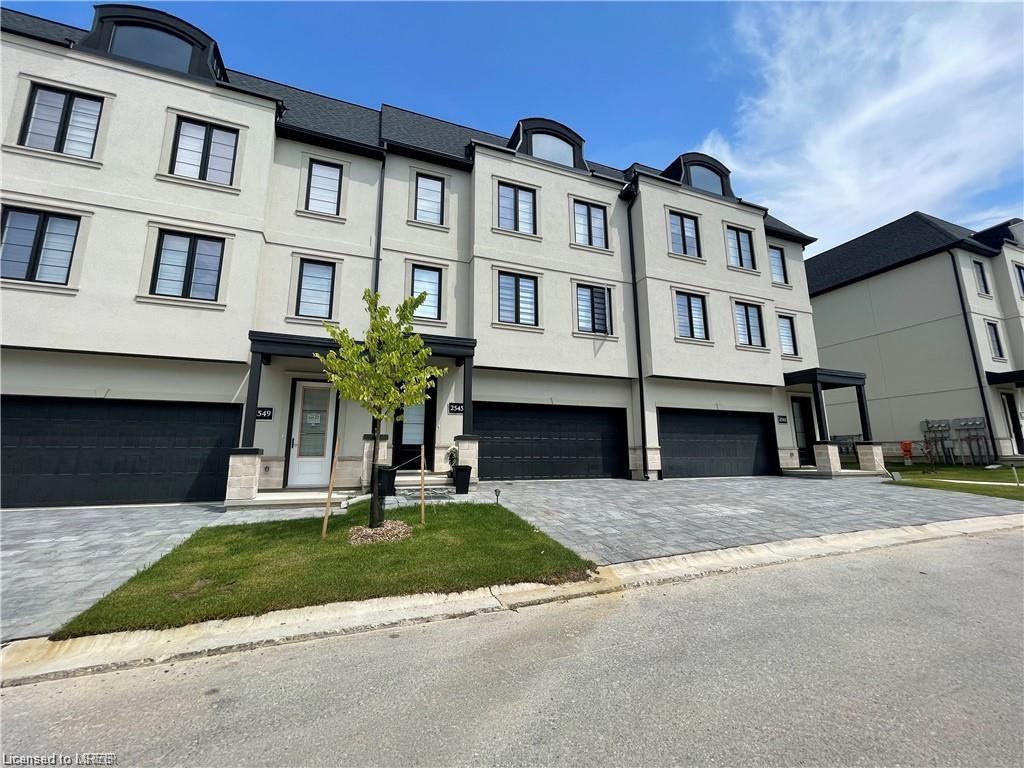
If I were buying, I would prepare a short buyer profile: funds available, target industries, appetite for staff-heavy operations, and willingness to relocate within the London area. I would share that with two or three brokers, ask them to propose targets, and judge them by the quality of those matches. I would also pre-brief a lender to define my financing limits before I fall in love with a listing.
That approach keeps emotion in check and gives you leverage. Brokers respond well to prepared counterparts. Deals move faster, and the odds of reaching the closing table improve.
Final thoughts that respect your time and money
Track record evaluation is not about perfection. It is about pattern recognition. You want a broker who consistently:
- Prices within a realistic band and lands close to it. Packages clean financials that lenders accept. Screens buyers or sellers well enough to limit surprises. Navigates local relationships with landlords, advisors, and banks. Communicates with candor when conditions shift.
Whether you ultimately choose LIQUIDSUNSET or another firm for a business broker London Ontario near me mandate, use the same yardstick. You will avoid expensive detours, keep morale intact, and maximize your chance of a deal that feels fair on both sides.
The London market rewards prepared sellers and disciplined buyers. It rewards brokers who respect confidentiality, build bankable narratives, and tell the truth early. That combination is the quiet engine behind transactions that close, fund, and hold up after the first year.